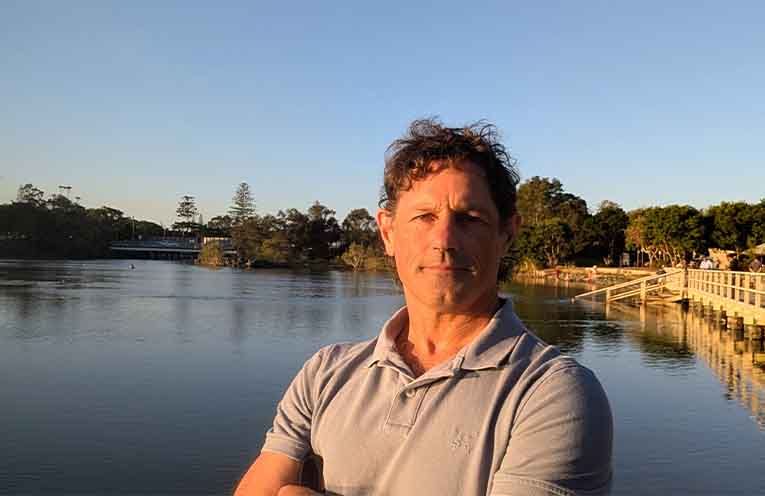
COUNCILLOR Jonathan Cassell continues to highlight environmental and related economic issues at City of Coffs Harbour Council meetings.
At the April meeting, councillors unanimously supported a Notice of Motion from Cr Cassell, committing the City to a comprehensive response to microplastic pollution across local waterways.

A recent report from the Department of Climate Change, Energy, the Environment and Water identified Coffs Creek, Darkum Creek and Moonee Creek as among the state’s estuaries most impacted by microplastics.
As a result of the motion, Council will now progress a Stormwater Quality Improvement Strategy 2026/27 through its Draft Operational Plan and Budget, incorporating targeted infrastructure, monitoring, and a strong focus on community education and behaviour change.
“This is about working together as a community to protect the waterways that define our region,” Cr Cassell said.
“We know microplastics are entering our creeks from everyday activities, so even small changes in behaviour can deliver meaningful results.
“We’re asking everyone – residents, businesses and government agencies – to be part of the solution.
“Reducing single-use plastics, disposing of waste responsibly, and preventing litter from entering drains are practical steps we can all take.”
At the same meeting, Cr Cassell welcomed the City’s proactive monitoring of global fuel markets while urging continued action to shield local services and residents from escalating costs linked to the Middle East conflict.
Following a series of Questions on Notice, he said the City’s existing frameworks provide a strong foundation, but ongoing vigilance will be critical.
“Council staff have confirmed there are no immediate supply shortages, which is reassuring,” he said.
The Greens councillor highlighted that 88 percent of Council’s fuel costs sit within fleet operations, reinforcing the importance of efficiency measures and future fleet transition planning.
Cr Cassell also noted the implications of the Fair Work Commission Road Contractual Chain Order, which is expected to increase compliance and cost pressures across transport and waste supply chains.
“While these reforms are designed to improve fairness and safety in the industry, they may flow through to local government contracts.
“By working with state and federal partners, we can ensure regional communities like Coffs Harbour are supported through global uncertainty while continuing to deliver essential services efficiently.”
By Andrew VIVIAN