Share via:
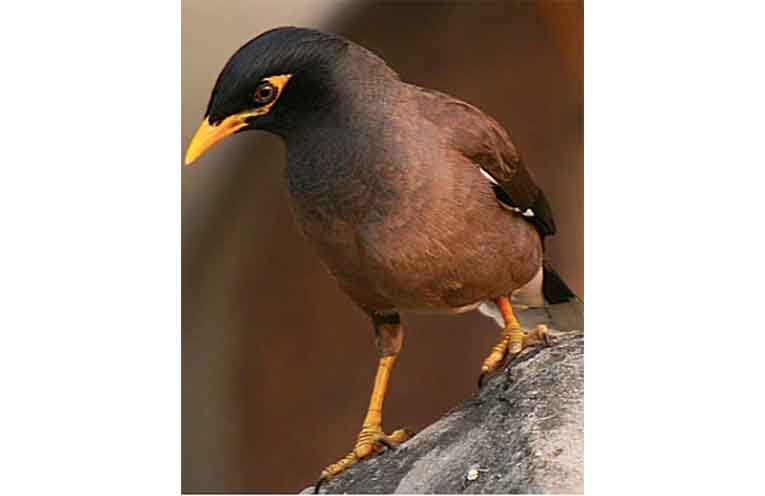
COMMON Myna birds might be smart and well-adjusted to their adopted home, but they are a threat to native birds. They are making their destructive presence felt in many areas of Coffs Harbour, particularly West Coffs and the northern beaches.
Common Mynas, also known as Indian Mynas, are very aggressive, particularly during the breeding season, and take over nesting sites of native birds, particularly Eastern Rosellas.
One resident in Toormina posted on Facebook, “We are getting overrun…the parrots have vanished and these [common mynas] are taking over.”
This is despite the fact that Coffs Harbour Regional Landcare (CHRL) volunteers, with the support of City of Coffs Harbour Council, have been trapping the pests for many years.
Common Myna birds are chocolate brown with black heads and distinctive yellow beaks, legs and eye patches.
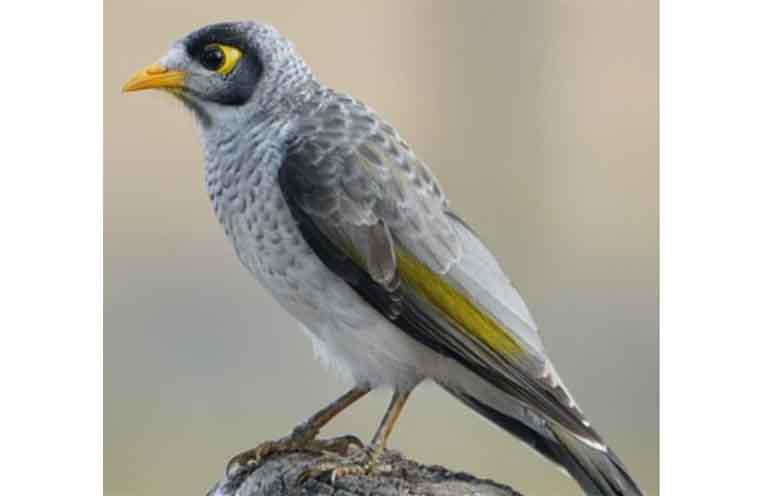
This pest is commonly confused with the smaller grey Noisy Miner, which is a native species.
In the 1860s, they were deliberately introduced in Melbourne to keep down insects in market gardens.
They thrived in their new environment and spread quickly, with devastating effects on native wildlife.
They are intelligent birds, well-suited to urban areas, regularly eating left-out pet food and searching through compost bins for tasty scraps.
They often nest in roof cavities or take over the nesting hollows of native birds, which are already in short supply in urban areas.
Trapping is the most effective way of reducing the impact of these birds.
The Coffs Harbour Regional Landcare trapping program is funded by the City of Coffs Harbour’s Environmental Levy.
“We have a number of trained Myna trappers located in most places from Sawtell to Corindi who are happy to provide a trap,” Coffs Harbour Regional Landcare spokesman Barry Powells told News Of The Area.
He explained that traps help reduce the impact of the Myna birds.
“Please do not leave pet food outside as this is one of the most common sources of food for these birds,” Mr Powells said.
Please contact the Coffs Harbour Regional Landcare office to arrange a trap and obtain further information.
Phone 6651 1308 or email chrl@coffslandcare.org.au.
The office is open Monday to Thursday from 9am to 4pm.
By Andrea FERRARI
You can help your local paper.
Make a small once-off, or (if you can) a regular donation.
We are an independent family owned business and our newspapers are free to collect and our news stories are free online.
Help support us into the future.
Share via: