Share via:
E-BIKES have raced ahead of the rules meant to govern them, and NSW is only now catching up.
With an estimated 760,000 e-bikes now in use across the state, lawmakers are scrambling to close the regulatory gap.
New legislation gives police and Transport Authorised Officers expanded powers to seize and crush illegal, high-powered e-bikes – treating any device that behaves like a motorbike as one.
According to Transport for NSW, a road-legal e-bike must have a maximum continuous rated power of 500 watts, throttle assistance only up to 6km/h, pedal-assisted power up to 25km/h, and no motor power above 25km/h.
Any e-bike exceeding these limits is illegal, even if restricted by an app, switch or code, and tampering with a bike to bypass these limits can itself make it illegal.
In March this year, the NSW Government updated the legal definition of an e-bike, recommending that buyers choose a bike meeting the European Standard EN 15194, which will remain legal both now and once tougher rules land. From 1 March 2029, the maximum legal power drops to 250 watts, and only EN 15194 certified e-bikes will be permitted on NSW roads.
Riders of legal e-bikes must follow the same road rules as standard bicycle riders, including wearing an approved helmet and observing footpath riding restrictions for those aged 16 and over.
The key distinction from a motorcycle, Transport for NSW says, is that a legal e-bike’s motor must assist pedalling rather than replace it.
Motorcycles, by contrast, are powered by the motor alone and require registration, insurance and a licensed rider.
The latest BOCSAR figures show e-bike theft has surged 27 per cent over two years, rising from 1,644 to 2,080 incidents in the year to March.
BOCSAR executive director Jackie Fitzgerald said theft of e-bikes was now the major contributor to growth in other stealing offences.
But theft is only part of the picture residents are raising. News Of The Area has received correspondence from a reader detailing alleged antisocial and criminal behaviour involving a group of youths riding e-bikes in the Moonee and North Sapphire Beach areas.
The claims echo concerns being raised in communities right across the state.
News Of The Area approached several local e-bike retailers for comment. None were willing to be quoted directly, with retailers indicating the polarisation around the issue had left them reluctant to wade further into the debate. However, several retailers said many of the e-bikes being bought by younger riders were purchased legally, often online, before being modified, or “hotted up,” at home to increase their speed.
They said the process was relatively straightforward, with numerous online tutorials, including YouTube videos, demonstrating how to do it.
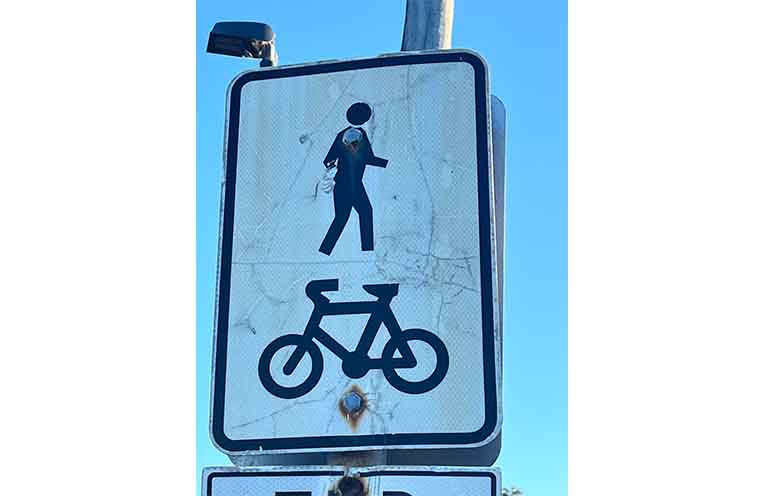
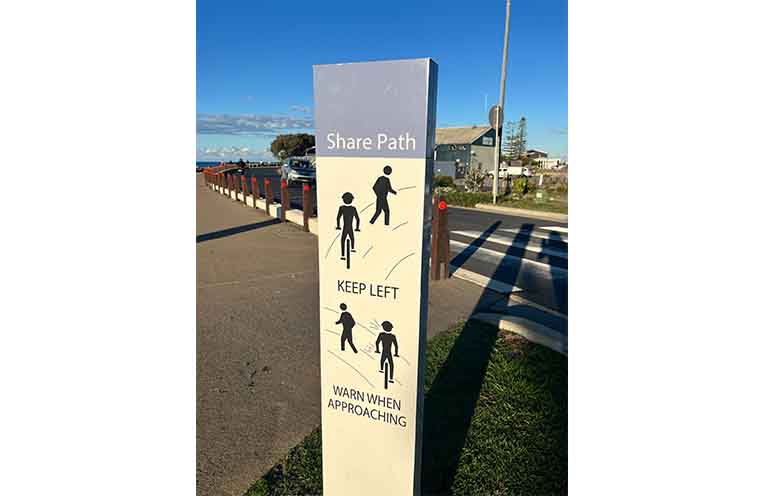
For many locals, the issue isn’t just legality. It’s safety on shared pathways residents once felt confident using every day.
Coffs Coast resident Michelle Gardiner, who walks her dog along local shared paths daily, said the silence of e-bikes was what made them so unsettling.
“You can’t hear them coming,” Gardiner said. “My dog gets scared of bikes generally, but it’s worse with e-bikes because they come up so quickly and so quietly. We no longer feel safe on shared pathways because of it.”
Bowraville father Kris Cameron, who has two young daughters, said he won’t be buying an e-bike for his family, and believes the devices need far tighter regulation.
“They’re dangerous – they should be registered,” Cameron said. “They’ve got a motor in them, just like electric cars still need to be registered. E-bikes are simply e-motorbikes. They should be registered too.”
A City of Coffs Harbour spokesperson said Council’s role was limited to infrastructure rather than enforcement.
“The City’s role is to plan, design, deliver and maintain shared pathways and other active transport infrastructure, ensuring they are safe, accessible and fit for purpose for all users,” the spokesperson said.
“The regulation of rider behaviour, including speed, compliance with road rules and enforcement of illegal devices, sits with NSW Police and the NSW Government under State legislation. The City does not have enforcement powers in this space.”
Council said it had received community feedback relating to e-bike use on shared paths, with safety concerns considered in the planning and design of shared path projects, including improved visibility, lighting and passive surveillance.
“Where issues relate to rider behaviour or non-compliance, these are referred to the appropriate enforcement authority, NSW Police,” Council said.
Asked whether local measures such as signage or education campaigns were being considered, the spokesperson said the focus remained on awareness and collaboration rather than regulation.
“The City’s response is to support education-focused approaches, including discussions around e-bike safety and rider awareness initiatives, and continuing to review signage and network design treatments as part of ongoing asset management,” the spokesperson said. “Enforcement and regulatory changes are led at the State level.”
Coffs Harbour Police were approached for comment but had not responded by time of publication.
Other NSW councils are moving to get ahead of the problem. Bayside Council endorsed plans in March to develop a policy for managing shared e-bikes, looking at dedicated parking zones, go-slow and no-go areas. Inner West Council has taken a similar approach, consulting the community and micro-mobility companies after complaints about bikes blocking footpaths.
Most council activity remains preparatory, with councils largely waiting on the NSW Government to finalise its legislative framework before locking in local policy.
A new per-trip fee is also being introduced by the State Government, with a portion allocated back to councils to help cover regulation and enforcement costs.
Registration remains contested even among transport and safety bodies. The NRMA backs a proportionate registration and tamper-proof identification scheme – a view aligning with Cameron’s.
Bicycle NSW opposes registration for compliant e-bikes altogether, arguing pedal-assisted bikes meeting the EN15194 standard are safe for all ages and shouldn’t be treated the same as illegal high-powered devices.
Governments are attempting to draw a clearer line between legal and illegal devices. Police will gain access to portable “dyno units” to test power output roadside, retailers face penalties of up to $825,000 for selling non-compliant devices, and new product safety certification came into effect from February 2026.
If you have information regarding the reported incidents in the Moonee or North Sapphire Beach areas, or have your own experience with e-bikes on local shared pathways, contact News Of The Area at media@newsofthearea.com.
By Kate PYE
You can help your local paper.
Make a small once-off, or (if you can) a regular donation.
We are an independent family owned business and our newspapers are free to collect and our news stories are free online.
Help support us into the future.
Share via: