Share via:
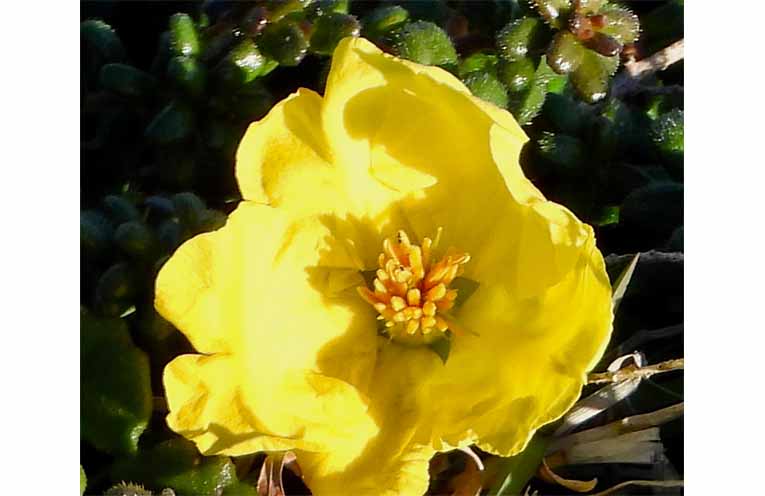
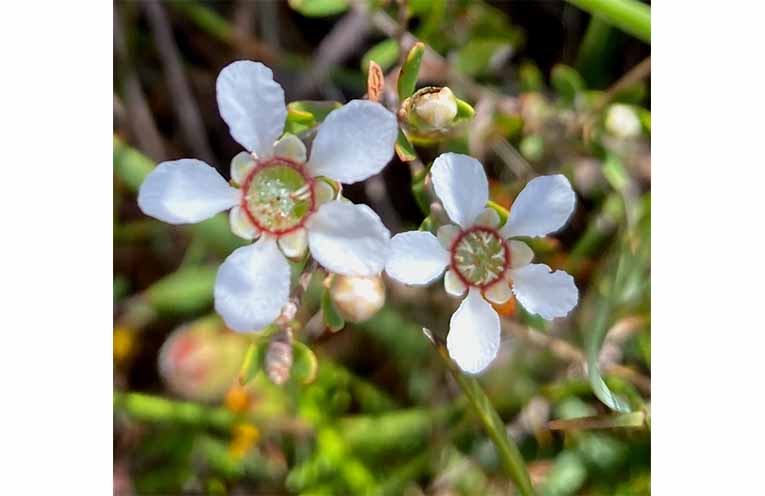
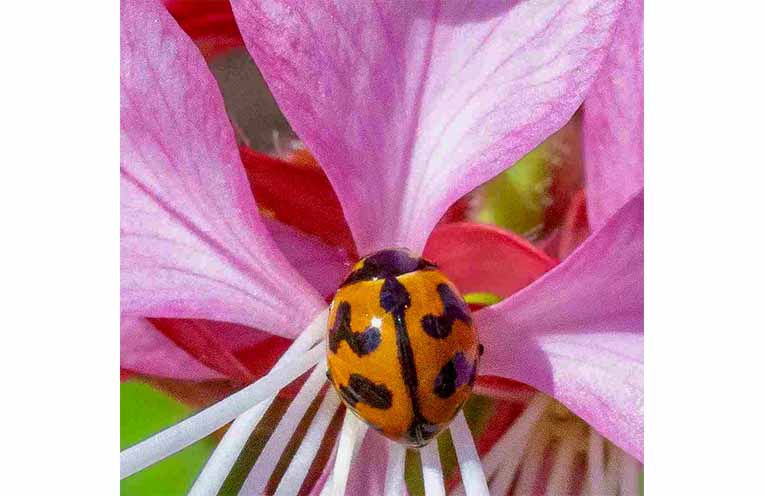
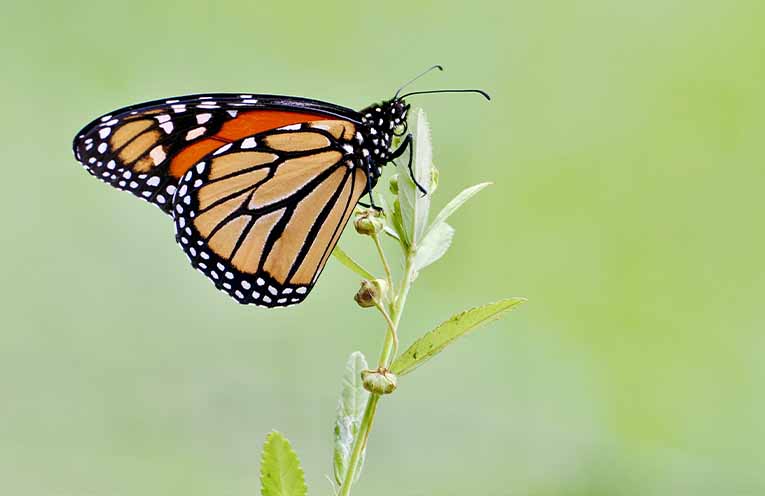
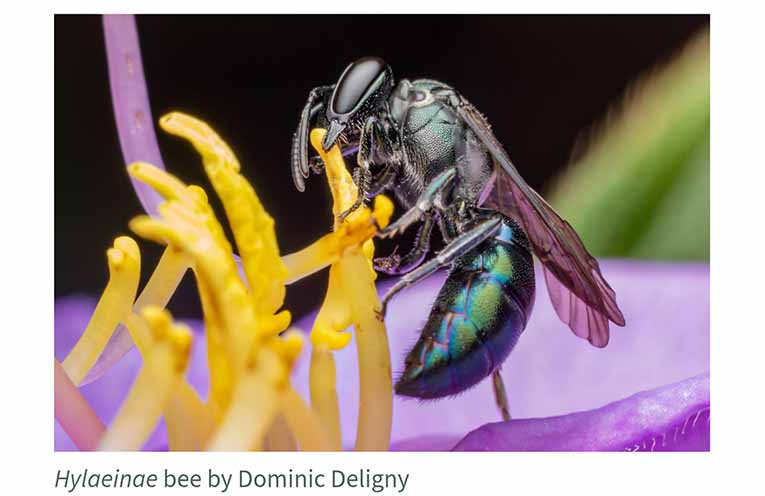
THE Friends of the Coffs Harbour Regional Botanic Garden are hosting two inaugural events for Pollinator Week, with a Big Native Plant Sale on Saturday, 7 November, and a Pollinator Picnic on Sunday, 8 November.
Many of the Friends’ fabulous volunteers have been busy planning, preparing, potting, watering and caring for hundreds of colourful native plants for the Big Native Plant Sale, all suitable for growing in gardens across the Coffs Coast.
Proceeds from plant sales will support Friends of the Garden conservation and educational programs.
These native plants serve an important purpose, attracting pollinators to our gardens.
But why are pollinators so important?
These amazing creatures include birds, bees, butterflies, ladybirds and even bats!
Some of our wonderful native mammals, including possums and flying foxes, also play an important role in pollination.
All are essential to backyard biodiversity and healthy ecosystems, supporting plants and wildlife while helping create a healthier, more balanced environment.
Without these hard-working pollinators, we would be without many of our fruits, vegetables, plants, trees and flowers.
Some pollinators even help control garden pests, including those pesky aphids.
Who knew pollinators were so important?
Families are also invited to enjoy the Pollinator Picnic – Inspiring the Next Generation on Sunday, 8 November.
This free, fun-filled and relaxing day offers something for the whole family.
Bring a rug or chair, settle in for a few hours and enjoy the beautiful surroundings of the “Green Heart” of Coffs Harbour.
Activities will include guided and self-guided walks, seed bomb making, creating a pollinator palace, face painting and honey tasting.
But what exactly is a seed bomb or pollinator palace?
Seed bombs, also known as Green Grenades, are small balls made from selected seeds, clay and compost that children love to create.
These can be taken home and placed in a special spot in the garden or in a pot, where, with a little help from the rain and sunshine, nature works its magic.
A pollinator palace is a structure created by little and big hands, providing shelter with holes and crevices where some of our smallest pollinators can safely rest, nest and hide.
Both activities offer a wonderful opportunity to introduce children to the environmental wonders found in their own backyards.
Free guides on creating pollinator-friendly gardens will also be available.
You can help your local paper.
Make a small once-off, or (if you can) a regular donation.
We are an independent family owned business and our newspapers are free to collect and our news stories are free online.
Help support us into the future.
Share via: